Introduction
Food storage plays a vital role in maintaining freshness, preventing spoilage, and ensuring food safety. Whether you’re storing homemade meals, fresh vegetables, or ready-to-eat dishes, choosing the right storage method can significantly impact the quality and shelf life of your food.
Two of the most common methods are vacuum packaging and traditional food storage. While both have their advantages, they serve different purposes and offer varying levels of protection against spoilage. Understanding the differences between these methods can help you make the best choice for your home, business, or travel needs.
What Is Vacuum Packaging?
Vacuum packaging is a modern food preservation technique that removes most of the air from the package before sealing it. Since oxygen is one of the primary causes of food spoilage, removing it helps slow oxidation and reduces the growth of many spoilage-causing microorganisms.
Vacuum packaging is commonly used for:
Ready-to-eat meals
Daily meals
Snacks
Dairy products
Dry foods
Travel-friendly meals
This method helps maintain freshness while protecting food from moisture, air, and external contaminants.
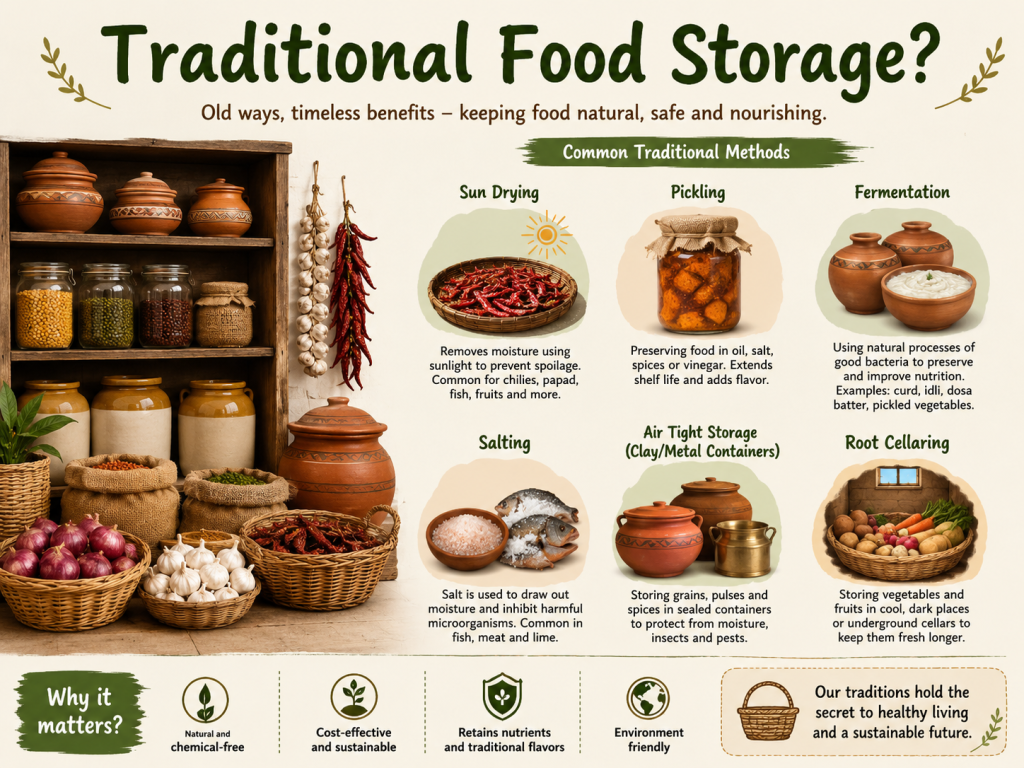
Traditional Food Storage?
Traditional food storage includes keeping food in regular plastic containers, glass jars, foil wraps, plastic bags, or storing it directly in the refrigerator or pantry without removing air.
These methods are suitable for short-term storage and everyday household use but allow food to remain exposed to oxygen, which can lead to faster deterioration.
Common traditional storage methods include:
Plastic containers
Glass containers
Zip-lock bags
Aluminum foil
Cling wrap
Regular food storage boxes
1, Extended Shelf Life
One of the most significant benefits of vacuum packing is that it significantly extends the shelf life of food. Traditional storage methods, such as using plastic containers or aluminum foil, cannot prevent air from entering, which leads to the growth of bacteria and other microorganisms, causing food spoilage.
However, vacuum packing removes all the air from the packaging, creating airtight conditions that inhibit the growth of bacteria and other microorganisms that cause spoilage. This extended shelf life allows you to store your food for longer periods without compromising its quality and nutritional value.
- Freshness and Taste
Freshness is essential for maintaining the original taste and texture of food.
Vacuum Packaging
Vacuum sealing helps preserve natural flavors, aroma, and texture by limiting exposure to oxygen and moisture.
Traditional Storage
Food stored in regular containers may gradually lose moisture or absorb odors from other foods in the refrigerator, affecting its taste and texture over time.
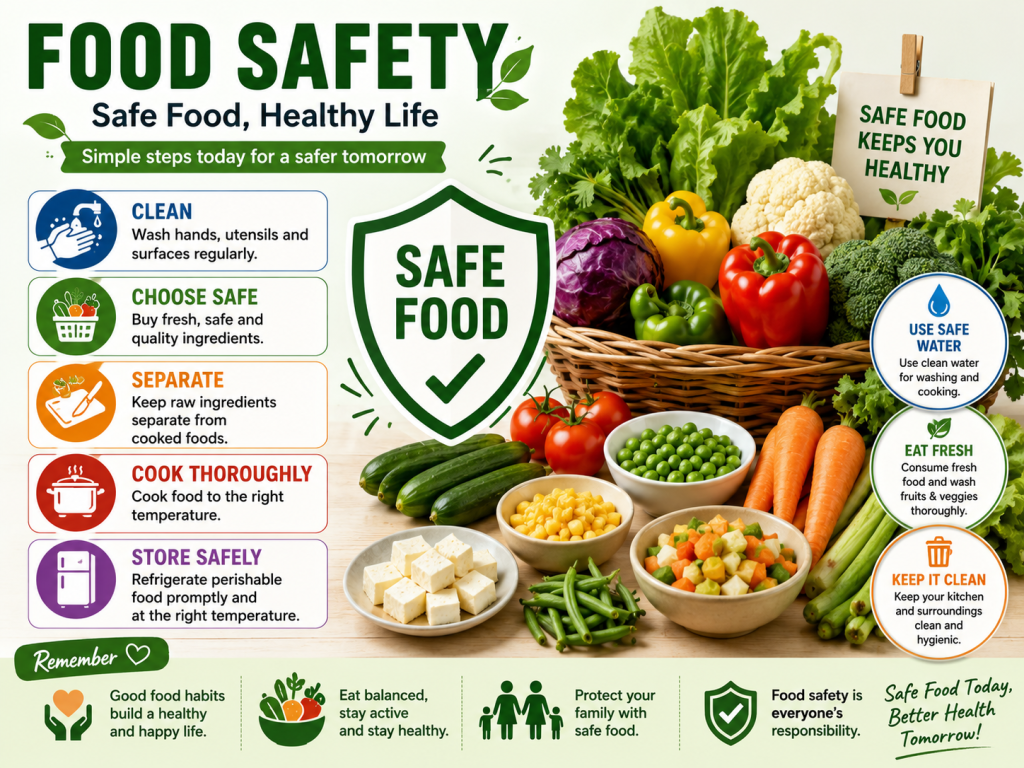
- Food Safety
Proper storage helps reduce the risk of food contamination.
Vacuum Packaging
When combined with hygienic food preparation and correct storage temperatures, vacuum packaging offers an additional layer of protection against environmental contaminants. However, vacuum sealing does not eliminate all microorganisms, so proper storage and handling are still essential.
Traditional Storage
Food stored in ordinary containers is more likely to be exposed to air and contaminants if containers are not sealed properly.
- Storage Space
Efficient storage is especially important for refrigerators, freezers, and travel.
Vacuum Packaging
Vacuum-sealed packages are compact and occupy less storage space, making them ideal for organizing refrigerators and carrying food during travel.
Traditional Storage
Plastic containers often take up more space due to their rigid shape, even when storing small amounts of food.
- Convenience
Modern lifestyles demand quick and hassle-free meal solutions.
Vacuum Packaging
Vacuum-packed meals are easy to transport, store, and heat. They are particularly useful for office lunches, students, travelers, and busy professionals.
Traditional Storage
Traditional containers work well for daily home use but may not always be convenient for long-distance travel or extended storage.
- Saves Time
Vacuum packing can help you save time in the kitchen. When you vacuum pack your food, you can prepare your meals in advance and store them in the refrigerator or freezer, making it easy to reheat them when you are ready to eat. Vacuum packed food also cooks faster, which can help you save time when preparing meals.
Vacuum packing is not limited to storing raw ingredients or leftovers; it can also be used to store pre-cooked meals, sauces, and marinades. These bags are available in different sizes and can be customized to fit your food storage needs.
When using vacuum packing, it’s essential to ensure that the food is fresh and free of any spoilage before vacuum sealing it. It’s also crucial to follow the manufacturer’s instructions when vacuum packing food to avoid any damage to the equipment or the vacuum sealing bags.
- Cost
Cost is another important consideration.
Vacuum Packaging
Vacuum sealing equipment and specialized bags may involve an initial investment. However, the extended shelf life and reduced food waste can make it cost-effective over time.
Traditional Storage
Plastic containers and storage bags are generally less expensive upfront and are suitable for everyday household use.
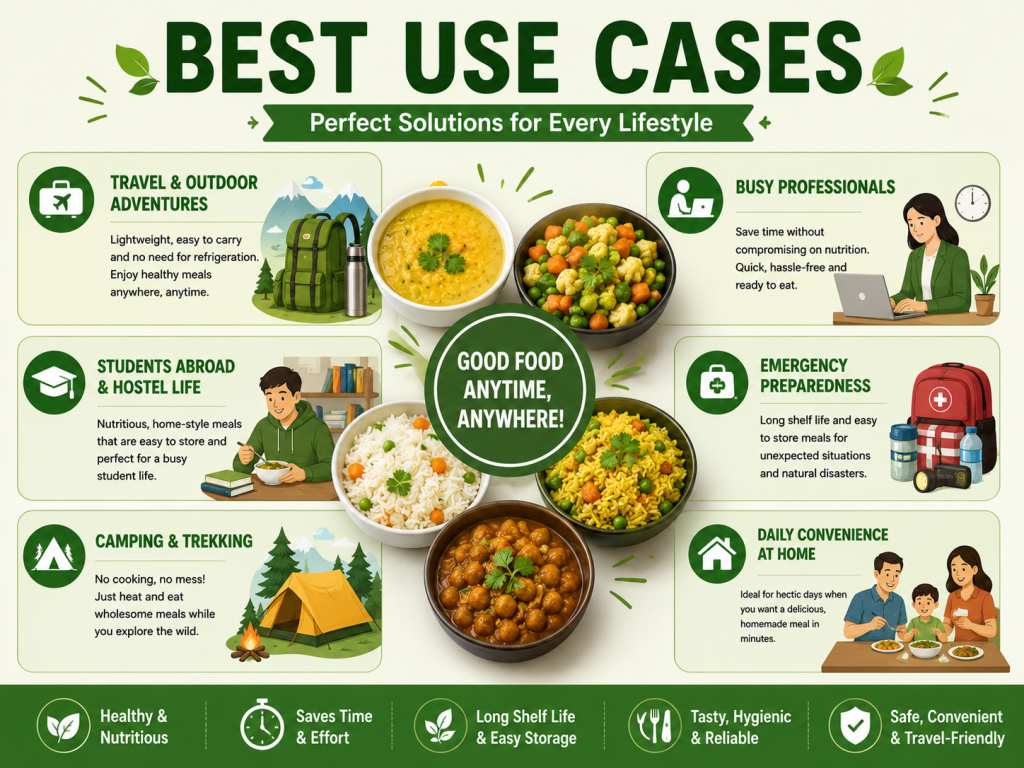
- Best Use Cases
Each storage method has situations where it performs best.
Vacuum Packaging Is Best For
Ready-to-eat meals
Meal preparation
Long-term storage
Bulk food storage
International travel
Outdoor activities
Freezer storage
Traditional Storage Is Best For
Daily leftovers
Freshly cooked meals to be consumed soon
Short-term refrigerator storage
Frequently accessed food items
Which One Should You Choose?
The right storage method depends on your needs.
Choose vacuum packaging if you:
Want longer-lasting freshness
Prepare meals in advance
Travel frequently
Need compact storage
Want to reduce food waste
Choose traditional storage if you:
Plan to consume food within a day or two
Need a simple and affordable storage solution
Store freshly cooked leftovers for short periods
Conclusion
Both vacuum packaging and traditional food storage have their place in the kitchen. Traditional storage remains practical for everyday use, while vacuum packaging offers superior freshness, longer shelf life, improved organization, and greater convenience for meal preparation and travel.
If you’re looking for a reliable way to preserve food quality, reduce waste, and enjoy ready-to-eat meals whenever you need them, vacuum packaging is an excellent choice. By selecting the right storage method for different foods, you can keep meals fresher, safer, and more enjoyable for longer.