
Why Customer Trust Matters in the Food Industry
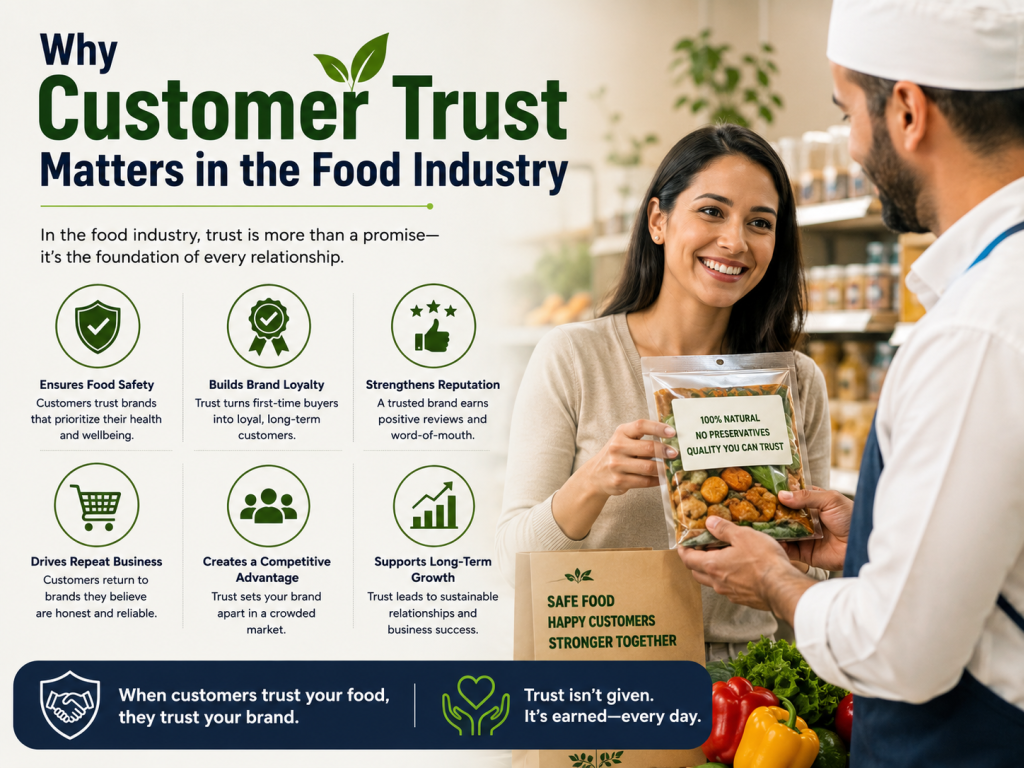
Customer trust is one of the most valuable assets for any food business. Whether a company sells ready-to-eat meals, snacks, frozen foods, or vacuum-packed products, consumers expect every purchase to be safe, fresh, and worth their money. Since customers cannot judge the quality of food before opening the package, they rely heavily on its packaging to make buying decisions.
In today’s competitive market, where hundreds of similar products are displayed on supermarket shelves and online marketplaces, packaging has become more than just a protective covering. It communicates quality, safety, transparency, and professionalism. A well-designed package reassures customers that the food inside has been prepared, stored, and transported with care.
Brands that consistently provide secure, informative, and attractive packaging are more likely to gain customer confidence, encourage repeat purchases, and build long-term loyalty.
The Connection Between Packaging and Consumer Confidence
Packaging acts as the first point of communication between a brand and its customers. Before tasting the product, consumers evaluate the packaging to determine whether it appears safe, clean, and trustworthy.
Features such as sealed packaging, clear ingredient lists, manufacturing and expiry dates, nutritional information, and storage instructions help customers feel confident about their purchase. Transparent labeling shows that the brand has nothing to hide, which naturally increases trust.
When customers repeatedly receive products in excellent condition, they begin associating the packaging quality with the overall reliability of the brand.
First Impressions Influence Buying Decisions
Research consistently shows that shoppers often decide whether to purchase a product within seconds of seeing it. Attractive and professional packaging creates a strong first impression that encourages consumers to pick up the product for a closer look.
Bright yet balanced colors, readable fonts, high-quality printing, appealing food images, and premium materials all contribute to a positive perception. On the other hand, damaged, faded, or poorly designed packaging may create doubts about food quality, even if the product itself is excellent.
For new brands especially, packaging often determines whether customers will try the product for the first time.
Key Packaging Elements That Build Trust
Trustworthy packaging combines functionality with transparency. It should protect the food while providing customers with all the information they need to make informed decisions.
Every element—from labels to seals—plays a role in reassuring buyers that the product is authentic and safe.
Clear Product Information and Transparent Labeling
Consumers appreciate honesty. Labels should clearly display:
- Product name
- Ingredients
- Nutritional information
- Manufacturing date
- Expiry date
- Storage instructions
- Allergen information
- Country of origin
Providing complete and accurate information helps customers understand exactly what they are buying. Transparent labeling is especially important for health-conscious consumers and people with dietary restrictions.
Clear information reduces confusion and builds long-term credibility.
Tamper-Evident Seals and Secure Packaging
One of the strongest trust signals in food packaging is tamper-evident protection.
Features like:
- Safety seals
- Tear strips
- Vacuum seals
- Shrink bands
- Locking lids
allow customers to verify that the product has not been opened or altered before purchase.
Secure packaging also prevents contamination during transportation and storage, ensuring the product reaches consumers in its original condition.
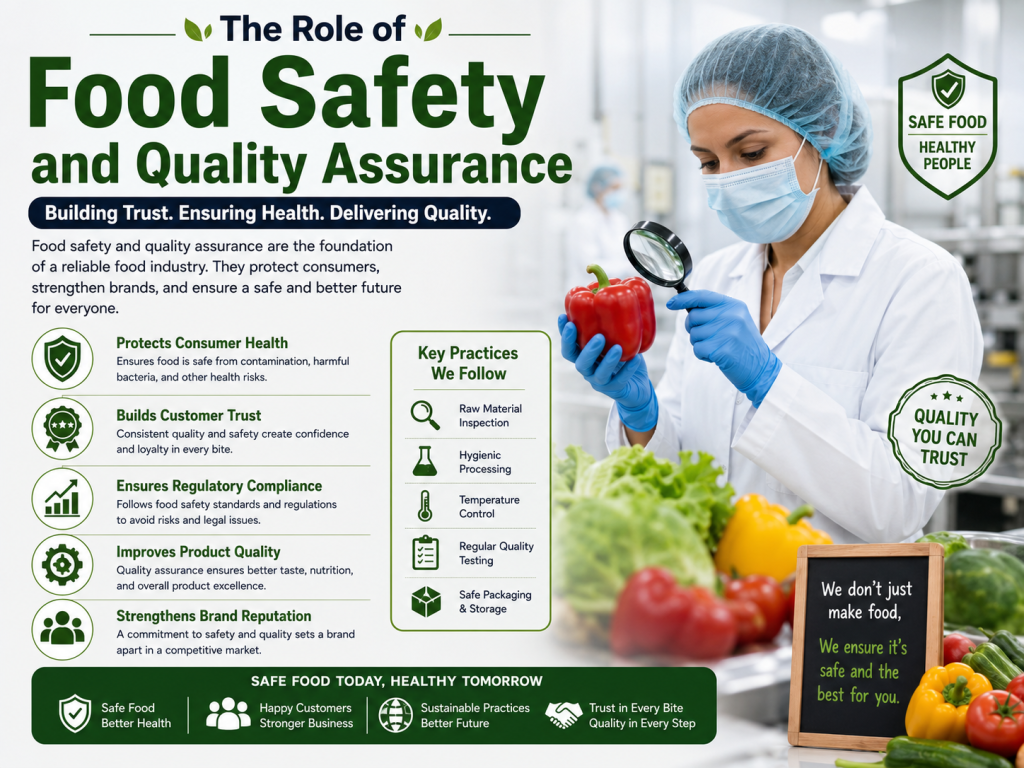
The Role of Food Safety and Quality Assurance
Food safety is a top priority for consumers. Packaging serves as the first line of defense against contamination, moisture, bacteria, dust, and physical damage.
High-quality packaging helps preserve freshness while maintaining nutritional value and taste.
How Hygienic Packaging Protects Food
Modern food packaging materials are designed to protect products from external contaminants.
Benefits include:
- Preventing bacterial contamination
- Blocking moisture and oxygen
- Preserving flavor and aroma
- Extending shelf life
- Protecting against dust and insects
Vacuum packaging, modified atmosphere packaging (MAP), and airtight containers are excellent examples of technologies that improve food safety while maintaining product quality.
Customers naturally trust products that appear clean, sealed, and professionally packaged.
Certifications and Compliance That Increase Credibility
Food safety certifications provide additional assurance that a company follows recognized quality standards.
Common certifications include:
- FSSAI
- ISO 22000
- HACCP
- GMP
- BRCGS
- FDA compliance (where applicable)
Displaying these certifications on packaging demonstrates that the manufacturer follows strict food safety practices.
Consumers often view certified products as more reliable than uncertified alternatives.
How Attractive Packaging Strengthens Brand Identity
Packaging is one of the most effective branding tools available to food businesses. Every package represents the company’s values and commitment to quality.
Professional packaging helps brands stand out while creating memorable customer experiences.
Consistent Branding Creates Recognition
Successful brands maintain consistency across all their products.
Consistent use of:
- Logo
- Brand colors
- Typography
- Product layout
- Packaging style
helps customers instantly recognize the brand on store shelves.
Brand recognition increases familiarity, and familiarity often leads to trust.
When consumers repeatedly have positive experiences with consistent packaging, they are more likely to become loyal customers.
Professional Design Reflects Product Quality
Consumers often judge product quality based on visual presentation.
Premium packaging communicates:
- Professionalism
- Attention to detail
- Clean manufacturing
- Product reliability
- Higher perceived value
Investing in quality packaging materials and thoughtful design can significantly influence consumer perception before they even open the package.
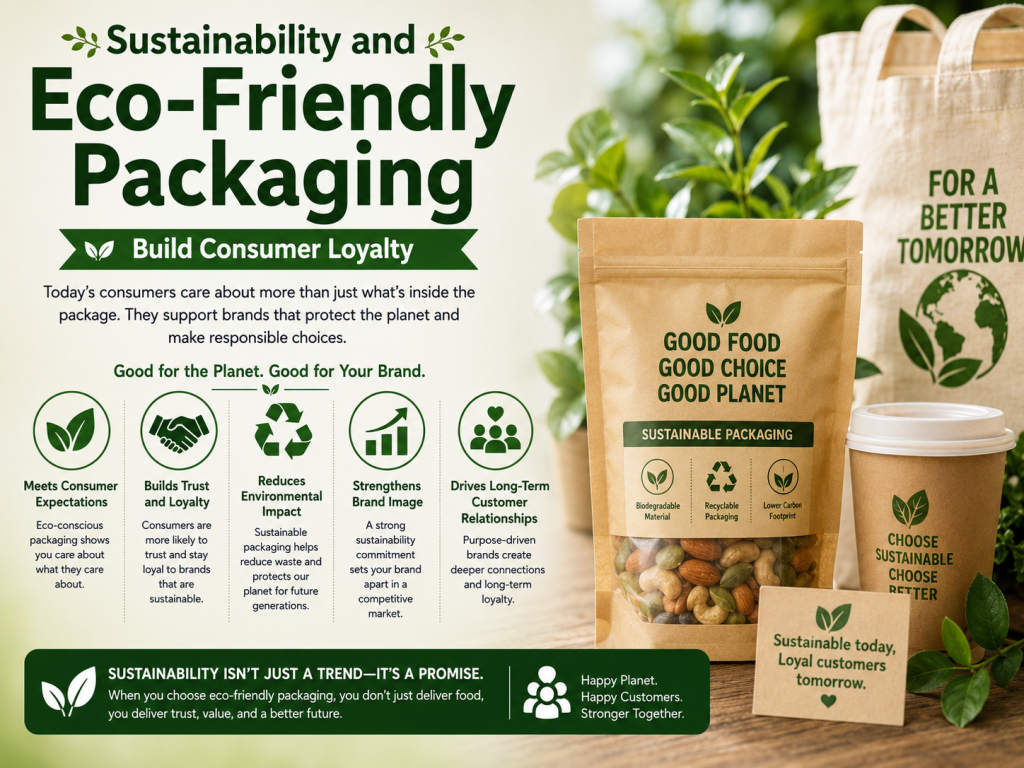
Sustainability and Eco-Friendly Packaging Build Consumer Loyalty
Environmental awareness has become an important purchasing factor for modern consumers.
Many shoppers now prefer brands that demonstrate responsibility toward the environment through sustainable packaging solutions.
Why Modern Consumers Prefer Sustainable Packaging
Eco-conscious consumers actively seek products packaged using:
- Recyclable materials
- Compostable packaging
- Biodegradable materials
- Reduced plastic
- Renewable resources
Choosing environmentally friendly packaging helps reduce waste while strengthening customer relationships.
Consumers appreciate brands that contribute positively to environmental protection.
Communicating Environmental Responsibility Through Packaging
Sustainability efforts should be clearly communicated on the package.
Brands can include:
- Recycling symbols
- Sustainability certifications
- Disposal instructions
- Eco-friendly material information
- Carbon footprint reduction initiatives
When customers understand a company’s environmental commitment, they are more likely to support the brand repeatedly.
The Impact of Packaging on Customer Experience
Customer experience extends far beyond product taste. Packaging affects every stage of the buying journey—from purchase to storage and consumption.
Convenient packaging improves overall satisfaction and encourages repeat purchases.
Convenience Features That Improve User Satisfaction
Modern consumers appreciate packaging that is easy to use.
Helpful features include:
- Easy-open seals
- Resealable zippers
- Microwave-safe containers
- Spill-proof lids
- Portion-controlled packaging
Convenient packaging saves time and improves the overall user experience.
Customers often remember products that are both functional and enjoyable to use.
Easy Storage, Handling, and Reusability
Practical packaging makes everyday life easier.
Consumers value packaging that:
- Fits neatly in refrigerators
- Stacks efficiently
- Is lightweight
- Is easy to carry
- Can be reused for storage
Reusable containers add extra value and reduce waste, making the product more attractive to environmentally conscious buyers.
Best Practices for Brands to Earn Long-Term Customer Trust
Building customer trust requires continuous improvement and consistency.
Packaging should evolve with customer expectations while maintaining the brand’s quality standards.
Maintain Consistent Packaging Quality Across Products
Consistency demonstrates professionalism.
Brands should ensure every product offers:
- Uniform packaging quality
- Accurate labeling
- Reliable sealing
- Durable materials
- Consistent branding
Customers should receive the same high-quality experience every time they purchase the product.
Consistency strengthens brand reputation over time.
Listen to Customer Feedback and Continuously Improve Packaging
Customer feedback provides valuable insights into packaging performance.
Brands should regularly collect opinions about:
- Ease of opening
- Product protection
- Label clarity
- Package durability
- Sustainability
- Overall satisfaction
Using customer feedback to improve packaging demonstrates that the company values its consumers and is committed to delivering better products.
Conclusion
How Reliable Packaging Turns First-Time Buyers into Loyal Customers
Reliable packaging creates confidence from the very first purchase. When consumers consistently receive products that are safe, fresh, accurately labeled, and easy to use, they develop trust in the brand. This trust encourages repeat purchases, positive reviews, and word-of-mouth recommendations.
Packaging is not merely an outer layer—it is a promise of quality that customers experience every time they interact with a product.
Why Investing in High-Quality Food Packaging Is Essential for Brand Growth
High-quality packaging is a long-term investment in customer satisfaction and business success. It protects food, enhances brand identity, supports regulatory compliance, improves convenience, and reflects a company’s commitment to excellence.
As consumer expectations continue to evolve, businesses that prioritize innovative, secure, and sustainable packaging will be better positioned to build lasting customer relationships and achieve sustainable growth.
FAQs
1. Why is food packaging important for customer trust?
Food packaging assures customers that a product is safe, hygienic, authentic, and professionally handled. Clear labeling, secure seals, and quality materials increase confidence in the brand.
2. How does packaging influence purchasing decisions?
Packaging creates the first impression of a product. Attractive design, informative labels, and premium-quality materials encourage consumers to choose one product over another.
3. What packaging features make consumers feel safe?
Consumers feel safer when packaging includes tamper-evident seals, airtight protection, expiry dates, ingredient lists, allergen information, storage instructions, and recognized food safety certifications.
4. Does sustainable packaging improve brand reputation?
Yes. Eco-friendly packaging demonstrates environmental responsibility, appeals to modern consumers, and strengthens customer loyalty while enhancing a brand’s reputation.
5. How do food safety certifications increase customer confidence?
Certifications such as FSSAI, ISO 22000, HACCP, and GMP indicate that a company follows recognized food safety and quality standards, making consumers more confident in the product.
6. Can attractive packaging affect repeat purchases?
Absolutely. Attractive, functional, and consistent packaging creates a positive customer experience that encourages repeat purchases and strengthens brand recognition.
7. What role does transparent labeling play in building trust?
Transparent labeling provides consumers with accurate information about ingredients, nutrition, allergens, manufacturing dates, expiry dates, and storage instructions. This openness helps customers make informed decisions and builds long-term trust in the brand.