
Introduction
Ready-to-eat foods are a large, heterogeneous category of foods that include any food (including beverages) that is normally consumed in its raw state, or those handled, processed, mixed, cooked or otherwise prepared into a form that is normally consumed without further processing.
According to another definition, RTE foods are those that go through some kind of processing and can be consumed without any further treatment such as thorough heating. These foods do not require further preparation prior to consumption, except washing, thawing, or moderate reheating
Consumption of these products has increased dramatically over recent decades and this trend is expected to continue, as they are designed to fit into busy lifestyles by requiring minimal preparation time.
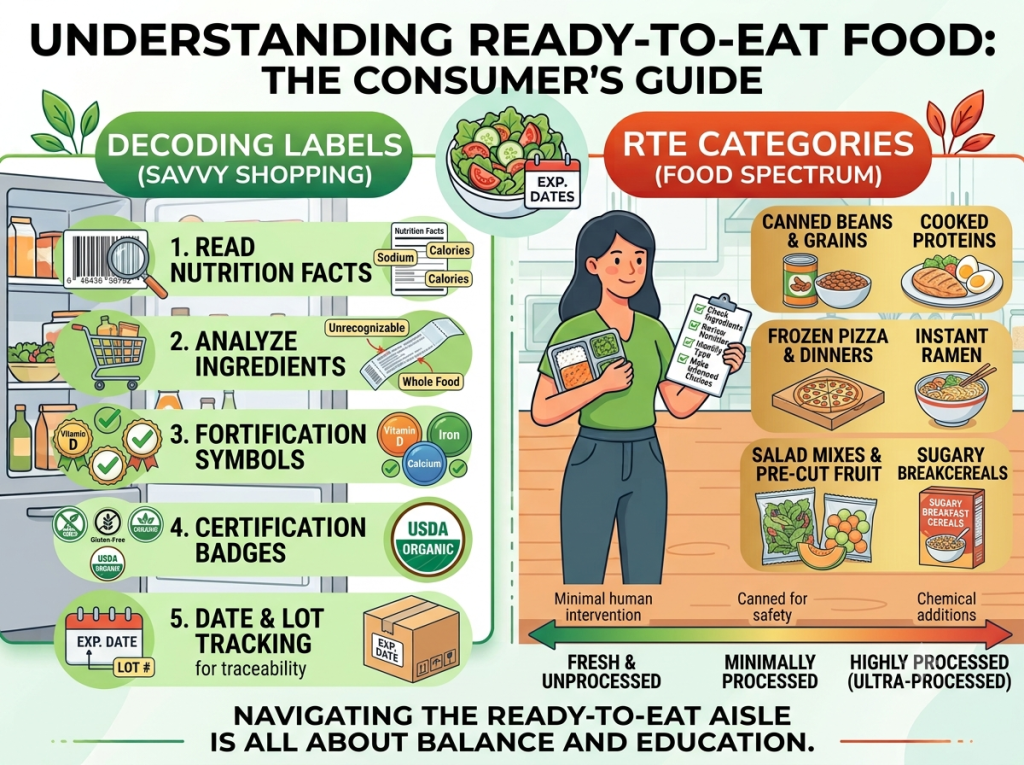
Understanding Ready-to-Eat Food
Unlike traditional cooking, which involves buying ingredients, preparing them, and cooking from the base ,ready-to-eat foods removes most of these steps. These meals are prepared in hygienic process selecting ingredients and advanced food processing techniques. Modern packaging methods, such as vacuum sealing which help preserving the freshness, flavour, and nutritional value while extending the product’s shelf life.
Ready-to-eat meals are available in a huge range of cuisines. Consumers can choose from Indian favourites like dal & rice, khichdi, pulao, curry, rajma chawal, and veg biryani, as well as international dishes such as pasta, momos, noodles.
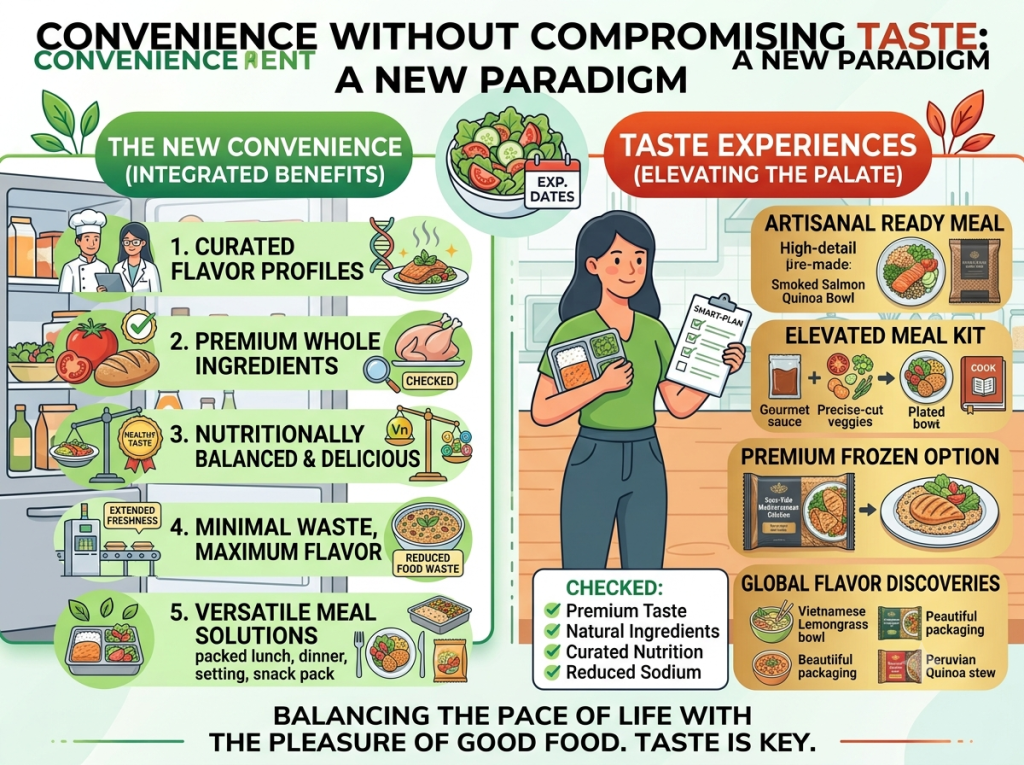
Convenience Without Compromising Taste
One of the biggest advantages of ready-to-eat food is the amount of time it saves. Traditional meals often require washing, chopping, cooking, and cleaning, which can take an hour or more. Ready-to-eat meals get ready within few minutes.
Despite their convenience, today’s ready-to-eat products are carefully prepared to deliver authentic flavours. Advanced cooking and packaging techniques help retain the aroma, texture, and taste of freshly prepared food, allowing consumers to enjoy delicious meals whenever they want with the taste like their home .
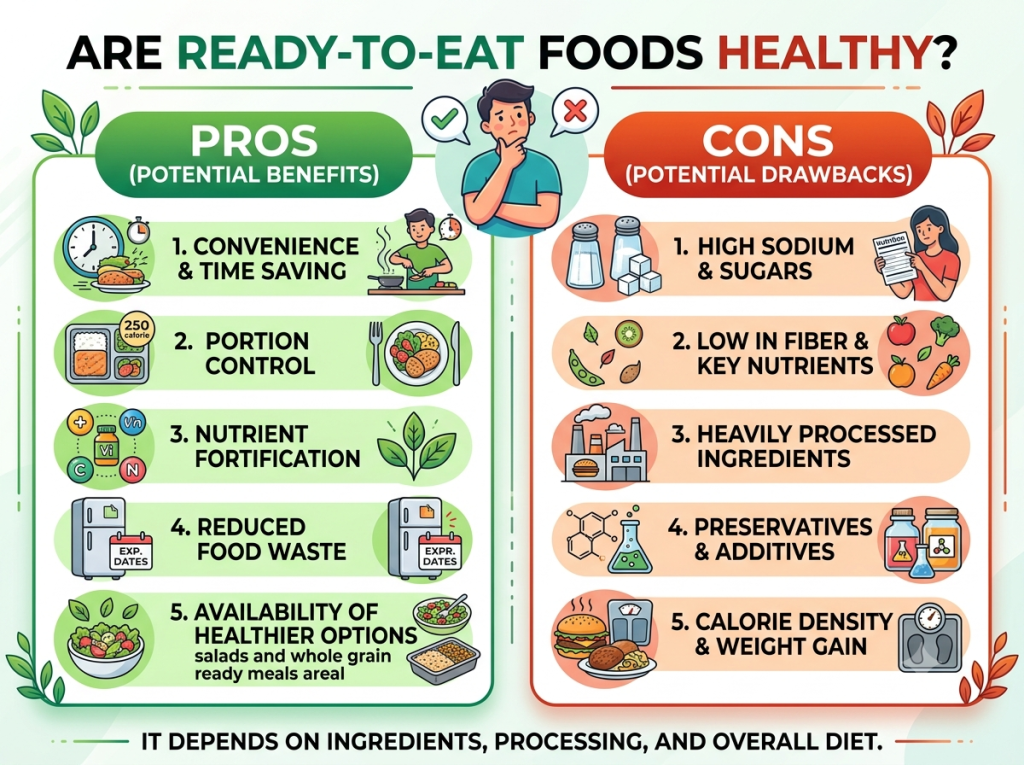
Are Ready-to-Eat Foods Healthy?
Due to the increasing demand of health-conscious consumers, top food processing companies, are offering healthy ready-to-eat meals. Thanks to advanced food production technology, like retort, culinary experts lock in the natural nutrients, flavour, and texture of a variety of Indian foods.
Some food exporters in India also cater to specific diets – high-protein, low-carb, or gluten-free options. This is all due to consumers’ increasing interest towards smart eating. Whether you are a traveller, busy professional, student, or someone keen on eating healthy, ready-to-eat food can now be part of your wholesome diet plan. Nonetheless, we recommend checking labels before buying a pack.
Usually, trusted food brands are transparent about the ingredients they use.
How Ready-to-Eat Foods Help Reduce Food Waste
. Reduction of waste through portion control- Cooking more than needed is one of the main causes of household food waste. ready to eat food products are intended to be correctly portioned so you are consuming only what you need, when you need it, without overstocking or wasting food.
Sabala Millets Ready-to-Eat Millet Upma & Millet Pongal products come in premeasured amounts to minimize waste and save you time and money. Longer shelf life keeps food fresh- Many fresh ingredients spoil before they can be used, and this contributes to waste. Conversely, ready to eat food products have a longer shelf life due to the hygienic preparation and safe packaging of these products. The natural stability of millet is what Sabala Millets uses to make Ready-to-Eat Millet products that stay fresh until you are ready to eat them.
Less impulse buying and waste on food- When meals are not planned, people often buy more than they can eat, and this can result in wasted food. Keeping Available Ready-to-Eat Meal Products at home means that you can have quick and balanced meals, reducing the amount of unnecessary food that is ordered from outside restaurants.
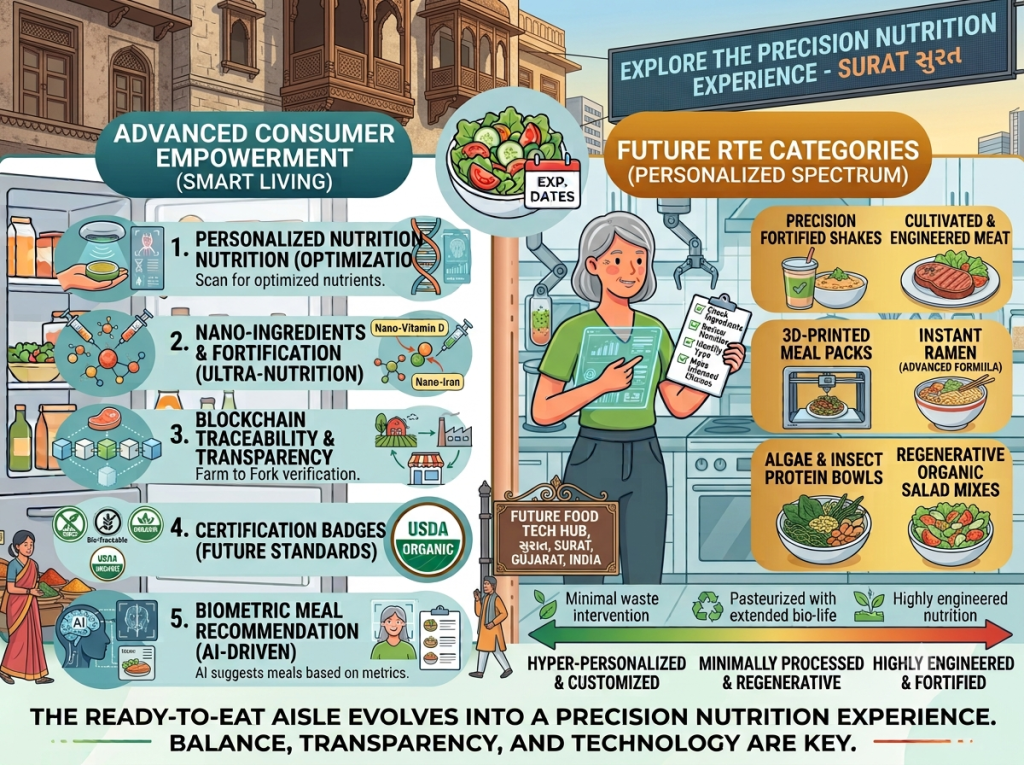
The Future of Ready-to-Eat Food
The way people eat is changing. Busy schedules, urban lifestyles, and the need for convenience are driving the demand for quick and reliable meal solutions. As a result, ready-to-eat foods are becoming an important part of modern living What was once considered an occasional convenience is now becoming an everyday choice for many consumers.
Today’s consumers are looking for food that saves time while fitting into their daily routines. Students, working professionals, travelers, and families all seek meal options that are easy to prepare and readily available.
As life has become faster and more demanding, the need for convenient meal solutions will continue to grow. People are searching for food that helps them spend less time in cooking and more time to focus on their work, family, and personal interests.
Conclusion
Ready-to-eat food and instant food products have permanently changed how a significant and growing portion of India eats. The shift isn’t a temporary response to busy schedules; it reflects a bigger, structural change in how Indian households think about meal preparation and what they expect from the food they buy.
For consumers, the category offers genuine convenience with improved food quality and better product accessibility. For businesses, the ready-to-eat food market represents one of the most compelling growth opportunities in Indian food today, provided the fundamentals of quality, compliance, and consumer trust are built in from the start.